Dangote Refinery Slashes Petrol to N1,165, Diesel to N1,570/Litre — Genuine Competition or Predatory Pricing to Crush Rivals?
On August 6, 2026, Dangote Refinery cut its ex-depot petrol price by N50 to N1,165 per litre and diesel by N80 to N1,570 per litre, the latest in a string of reductions that had already pushed Abuja pump prices from roughly N1,260 to N1,210 per litre in July. NNPC and offtakers such as MRS and AP followed with their own cuts, though many independent filling stations initially held retail prices at N1,240-N1,260, prompting commuters, Bolt drivers and tricycle operators to accuse them of profiteering and demand NMDPRA/FCCPC intervention. As Dangote's 650,000-barrel-per-day refinery has ramped up domestic supply, Nigeria's reliance on imported refined petroleum has fallen, but rival marketers and legal analysts have simultaneously raised predatory-pricing and market-domination concerns, including a published legal analysis examining whether Dangote's pricing pattern meets Nigeria's legal test for predatory conduct. IPMAN and other marketer associations have alternated between welcoming Dangote's cheaper ex-depot rates and warning that a single dominant refiner setting the market price could eventually squeeze out competitors.
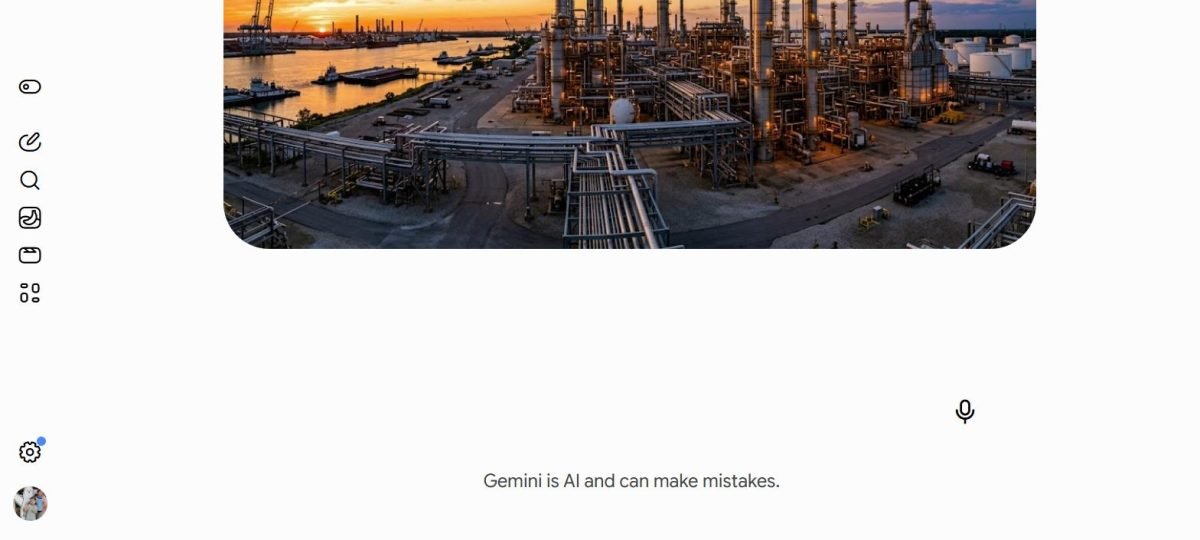
 🏆 Leading: This is predatory pricing aimed at crushing rivals and building a monopoly. Legal analysts have examined whether Dangote's pricing pattern meets elements of Nigeria's predatory-pricing test, and critics warn that once independent marketers and NNPC's refineries are priced out, Dangote could end up dictating fuel prices with little competitive check. (45%)
 🥈 This is genuine market competition benefiting ordinary Nigerians. Dangote's refinery has driven real ex-depot cuts (petrol to N1,165, diesel to N1,570 per litre as of August 6, 2026), forced NNPC and marketers like MRS and AP to follow suit, and is steadily reducing Nigeria's costly dependence on imported fuel. (27%)
 🥉 The bigger problem is marketers, not Dangote, undermining the relief. Even after Dangote's ex-depot cuts, many filling stations kept pump prices at N1,240-N1,260 per litre instead of passing on the savings, and consumers are now demanding that NMDPRA and FCCPC force marketers to reflect the lower wholesale costs. (27%)🌍 🇨🇳 China
Poll as Guest Infographics
Similar to hewsay's "Dangote Refinery Slashes Petrol to N1,165, Diesel to N1,570/Litre — Genuine Competition or Predatory Pricing to Crush Rivals?"
What might happen to petrol and diesel supplies in the UK after the collapse of Prax Lindsey oil refinery? What might happen to petrol and diesel supplies in the UK after the collapse of Prax Lindsey oil refinery? Demand for diesel and petrol will not diminish because they are...
Title: How much does 1 litre of petrol weigh? - Quora How much does 1 litre of petrol weigh? Originally Answered: What is the weight of 1 litre petrol? Density range of petrol is 0.710 to 0.775 gram/ litre at 15 deg C. If we take the density of the petrol is 0.710. 1 litre of ...
Which musician reshaped the sound of modern music the most?
From four lads from Liverpool to a global pop phenomenon, a handful of artists didn't just make hit records, they rewired how music sounds and how it's made. Which one actually changed the game, and which one just rode a great voice?
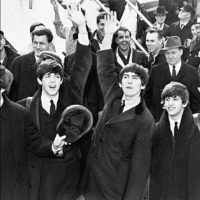 🏆 Leading: The Beatles (1960–1970): John, Paul, George, and Ringo released twelve studio albums in eight years and fundamentally rewrote the rules of pop music along the way. Sgt. Pepper's Lonely Hearts Club Band (1967) pioneered the concept album and pushed studio experimentation, tape loops, orchestral overdubs, backwards recording, into the mainstream, while earlier records like Rubber Soul and Revolver introduced sitar, string arrangements, and modal harmony to Top 40 radio. Their February 1964 appearance on The Ed Sullivan Show drew an estimated 73 million viewers, igniting the British Invasion and reshaping American youth culture overnight. As songwriters, Lennon-McCartney's catalog produced 20 U.S. number-one singles, more than any other songwriting duo in chart history. By the time they split in 1970, they had sold an estimated 600 million-plus records worldwide and left almost no corner of popular music, from psychedelia to heavy metal to hip-hop sampling, untouched by their influence. (43%)
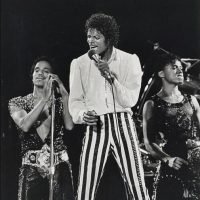 🥈 Michael Jackson (1958–2009): Crowned the King of Pop, Jackson transformed the music video from a promotional afterthought into a cinematic art form. His 1982 album Thriller remains the best-selling album of all time, with estimates topping 70 million copies worldwide, and its title track's 14-minute short film, directed by John Landis, cost $500,000 and single-handedly proved MTV could build must-see event television around a Black artist, breaking the network's early, unofficial color line. Jackson debuted the moonwalk during a 1983 performance of "Billie Jean" watched by an estimated 47 million viewers, instantly becoming one of the most imitated dance moves in history. He fused funk, R&B, rock, and pop into a sound that dominated radio for two decades, while his mastery of vocal percussion, the sharp intakes of breath, grunts, and hiccups laced through his songs, became a genre unto itself, endlessly sampled and imitated by artists across hip-hop and pop. (29%)
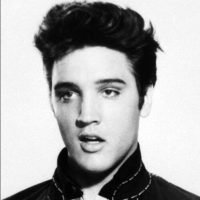 🥉 Elvis Presley (1935–1977): Presley didn't invent rock and roll, but he was the artist who carried it out of Black R&B clubs and Southern radio into mainstream white America, at a time when the country's airwaves and record charts were still rigidly segregated. His 1956 single "Heartbreak Hotel" hit number one, and his television appearances, including the famously censored waist-up-only shots on The Ed Sullivan Show, made him a lightning rod for a generation's anxieties about race, sexuality, and youth culture. He is the best-selling solo artist in music history, with estimated sales exceeding 500 million records worldwide, and his catalog spans rock, gospel, country, and pop, reflecting the genre-blending sound that would define popular music for decades after him. His 1968 "Comeback Special" is still cited as one of the greatest live television performances ever staged, reviving a career many had already written off and proving the power of a single broadcast to reset an artist's cultural standing. (14%)🌍 🇨🇳 China, 🇭🇰 Hong Kong
Poll as Guest Infographics
Similar to hewsay's "Which musician reshaped the sound of modern music the most?"
Fleetwood Mac and Genesis are the two most obvious examples. Electronica, Chamber Pop U2, Post-Punk, Art Rock, *Big Music, Blues Rock,
Silverchair. Definitely Silverchair. They changed their sound drastically, sounding absolutely nothing like they did. They, basically, up and left their fan base. They went from making awesome grunge/rock to poppy/alternative rock. You only need to listen to the first minute...