Michelin Strips Alinea, Masa, and The Inn at Little Washington of Their Third Star in One Night — Overdue Correction or Reckless Power Play?
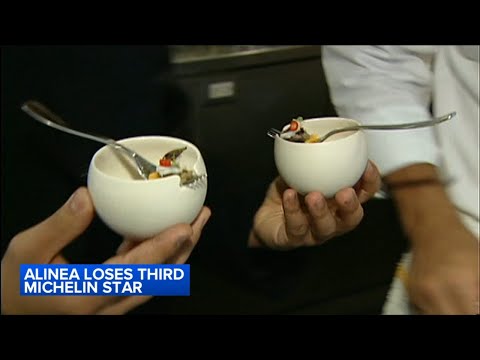
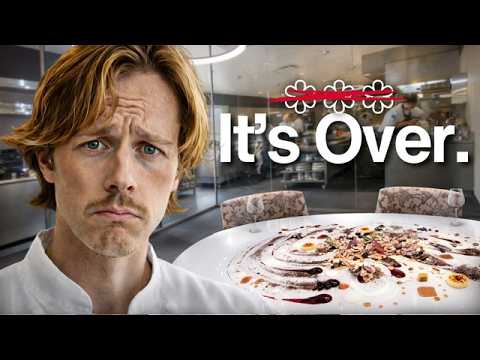
On November 12, 2025, the Michelin Guide quietly triggered one of the biggest shocks in modern American fine dining when three of the country's most storied three-star restaurants, Alinea in Chicago, Masa in New York, and The Inn at Little Washington in Virginia, were all simultaneously downgraded to two stars ahead of the official November 18 ceremony in Philadelphia. Alinea co-owner and chef Grant Achatz broke the news himself on Instagram days before Michelin's own reveal, posting that they were disappointed to learn of their demotion, a message that racked up more than 14,500 likes within hours. Michelin offered no specific public explanation, citing only its standard criteria, leaving Smyth as Chicago's sole remaining three-star restaurant and shrinking the entire US three-star club to just 14 restaurants. The timing was especially charged: the downgrade landed during Alinea's 20th-anniversary global pop-up tour and followed recent lukewarm reviews questioning whether its modernist cuisine still felt cutting-edge, while Masa, famous for a tasting menu that runs $1,000-plus per person, lost its star despite that eye-watering price tag. Food media split immediately: some called it a necessary reset proving Michelin actually enforces its standards, while others accused Michelin of a calculated shock tactic to reassert its own authority and relevance.


Poll as Guest Infographics
Similar to hewsay's "Michelin Strips Alinea, Masa, and The Inn at Little Washington of Their Third Star in One Night — Overdue Correction or Reckless Power Play?"
# Alinea, Masa, and the Inn at Little Washington Have All Lost Their Third Michelin Star. r/finedining - Alinea, Masa, and the Inn at Little Washington Have All Lost Their Third Michelin Star. Michelin warned the restaurants this was going to happen at the upcoming ceremony an...
304K Members 33 Online ### Disappearance of 2-starred and 3-starred restaurants from Japan's Michelin guides 65 upvotes ·36 comments * Michelin star restaurants in Tokyo and Kyoto.: r/JapanTravel icon r/JapanTravel•7 yr. 3.4M Members 63 Online ### Michelin star restaurants in ...
Who's the greatest NBA player of all time?
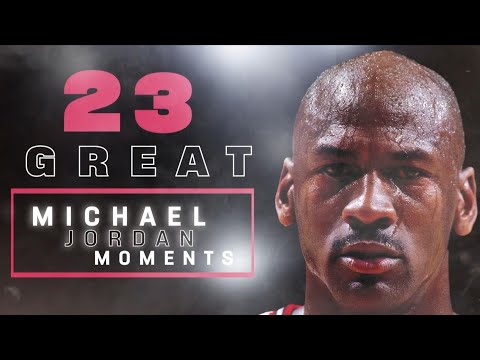
The GOAT debate never ends. Jordan went 6-0 in the Finals and never lost an NBA championship series he reached. LeBron holds the all-time scoring record and has won titles with three different franchises across three decades. Kobe had five rings, an 81-point game, and the "Mamba Mentality" that inspired a generation. Steph reinvented the sport entirely, proving a team could win it all by shooting from 30 feet out. Rings, stats, longevity, or influence on how the game is played today — what matters most when picking the GOAT?


Poll as Guest Infographics
Similar to hewsay's "Who's the greatest NBA player of all time?"
Like LeBron could be the best basketball player of all-time, but could Micheal Jordan be the greatest? Originally Answered: Why couldn't Lebron James pass Micheal Jordan for being the GOAT (or greatest Of All Time) in the NBA? Like LeBron could be the best basketball player of...
Title: What is the biggest debate in the NBA and basketball (besides about who is the greatest player of all time)? - Quora What is the biggest debate in the NBA and basketball (besides about who is the greatest player of all time)? 5. Wilt Chamberlain - Most dominant player w...