🔥 Featured Questions
OpenAI Eyes a Possible $1 Trillion IPO by 2027 While Burning Billions: Legitimate AI Bet or a Bubble Waiting to Pop?

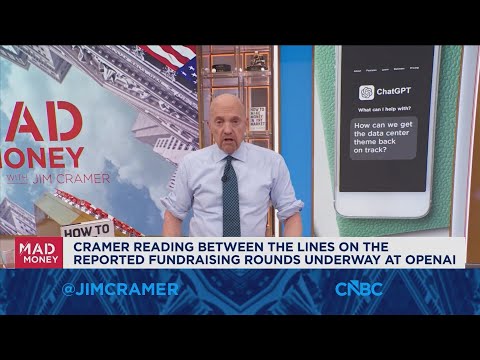
OpenAI, last valued at roughly 852 billion dollars in a March 2026 funding round, is reportedly preparing for an IPO that could target a valuation of up to 1 trillion dollars and raise 60 billion dollars or more, possibly in late 2026 or 2027. The company's 2025 revenue grew 233 percent to about 20 billion dollars, but it lost roughly 1.22 dollars for every dollar of revenue, and 2026 losses are projected around 14 billion dollars, with cumulative losses potentially reaching 115 billion dollars by 2029 before profitability arrives sometime in the 2030s. OpenAI also missed its own 2026 revenue target of 30 billion dollars, and faces intensifying competition from Google's Gemini, which has reportedly reached about 900 million users, as well as Anthropic and others. Supporters see a category-defining company investing aggressively in a genuine technological shift; skeptics point to governance turmoil, heavy dependence on Microsoft, talent departures, and a widening gap between hype and financial fundamentals.

The valuation is justified. OpenAI is the clear category leader in a technology shift as significant as the internet or mobile, its revenue is growing extremely fast, and heavy losses now in exchange for market dominance and profitability in the 2030s is a normal, defensible playbook for a company at this stage.
This looks like a bubble. Missing its own revenue targets, losing more than a dollar for every dollar earned, and projecting over 100 billion dollars in cumulative losses are the kind of numbers that should worry investors, no matter how important the underlying technology is, and a trillion-dollar price tag prices in years of flawless execution that hasn't happened yet.
It's a real business at the wrong price and the wrong moment. OpenAI's technology and user base are genuinely valuable, but heavy Microsoft dependence, an ongoing talent exodus, and fast-rising competition from Google and Anthropic make a trillion-dollar valuation premature until the competitive picture and governance concerns settle down.

Poll as Guest Infographics
From around the web

Similar to hewsay's "OpenAI Eyes a Possible $1 Trillion IPO by 2027 While Burning Billions: Legitimate AI Bet or a Bubble Waiting to Pop?"

Quoted & linked with attribution — not a hewsay user post.
# OpenAI reportedly aiming for 1 trillion dollar IPO valuation is this still an opportunity : r/stocks. Skip to main contentOpenAI reportedly aiming for 1 trillion dollar IPO valuation is this still an opportunity : r/stocks. Open menu Open navigationGo to Reddit Home. Get App...
reddit.com · Reddit
View original
# The AI history that explains fears of a bubble. Concerns among some investors are mounting that the AI sector, which has singlehandedly prevented the economy from sliding into recession, has become an unsustainable bubble. Nvidia, the main supplier of chips used in AI, becam...
reddit.com · Reddit
View original
Ragebait Runways: Should Fashion Brands Cast Controversial Influencers for Viral Shock Value?

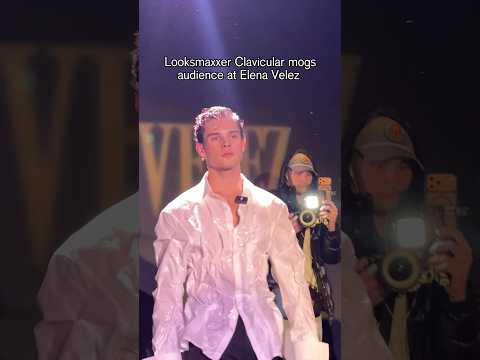
On June 29, 2026, streamer Braden Peters, known online as Clavicular, opened the 424 menswear show during Paris Fashion Week's Spring/Summer 2027 season, despite a documented history of controversial conduct and a fresh scandal at a club that he dismissed publicly. His casting triggered immediate backlash from fashion commentators, and the moment was covered by nss magazine, Complex, Thought Catalog, and Distractify. This wasn't isolated, Clavicular had already walked for designer Elena Velez at New York Fashion Week months earlier, and Marilyn Manson, who faces multiple sexual assault allegations from several women, opened Enfants Riches Deprimes's Fall/Winter 2026 Paris show under a staged snowstorm. Dazed and other outlets have labeled this pattern ragebait runway casting, deliberately booking lightning-rod personalities alongside theatrical stunts purely to manufacture a viral, thumb-stopping moment. Defenders call it savvy marketing for an algorithm-driven attention economy where a single clip outperforms a whole ad campaign; critics argue it platforms and normalizes documented bad behavior and rewards notoriety over craft. The debate escalated through 2026 as shrinking media budgets pushed more brands toward shock casting instead of betting on design alone.

🏆 Leading: Handing a runway-opening slot to someone with a documented history of racist, misogynistic, and homophobic conduct, and who shrugged off a fresh public scandal by saying he knew and did not care, is not edgy marketing, it's fashion actively laundering a harmful reputation for clicks. The same logic let Marilyn Manson, who faces ongoing sexual assault allegations from multiple women, open a major Paris show under a staged snowstorm as if nothing were wrong. Fashion commentators were right to publicly call out these bookings, because a luxury runway is not a neutral stage, it's an endorsement, and pretending otherwise just tells marginalized people their objections are worth less than a viral moment. Normalizing these bookings signals to the next generation of designers that notoriety, however earned, is a legitimate substitute for talent or accountability. No amount of it's just for engagement changes what it actually rewards. (50%)🥈 The real scandal of the ragebait runway trend isn't any single controversial booking, it's what the pattern reveals about fashion's collapsing confidence in its own product. When a viral streamer's walk, a shock musician's staged entrance, tripping models, a model catching fire, and outlandish prop stunts dominate headlines while the actual garments barely get a mention, that's a tacit admission the clothes alone can no longer hold anyone's attention. Designers used to build reputations through silhouette, construction, and craftsmanship; now shows are engineered like content calendars, optimized for a viral clip rather than a considered collection. Clavicular and Manson are just the most visible symptoms of an industry that has quietly outsourced creative authority to whatever guarantees engagement metrics. If ragebait casting keeps working commercially, expect fewer risks taken on actual design and more risks taken on who gets to walk first. (33%)🥉 In an algorithm-driven attention economy, a single clip generated more global press than most entire runway collections manage in a season, and that is precisely the point. Brands like 424 and Elena Velez aren't accidentally courting controversy; they're treating outrage as a distribution strategy, because a show nobody talks about might as well not have happened. Fashion has always weaponized shock to cut through noise, and ragebait casting is simply the social-native evolution of that instinct, now optimized for five-second clips instead of magazine spreads. Whether or not you personally like Clavicular, his walk put a niche streetwear label on front pages it could never otherwise reach during menswear week. With marketing budgets shrinking and attention spans collapsing, deliberately engineering a thumb-stopping controversy is shrewd business, not a betrayal of craft. (17%)🌍 🇨🇳 China
Handing a runway-opening slot to someone with a documented history of racist, misogynistic, and homophobic conduct, and who shrugged off a fresh public scandal by saying he knew and did not care, is not edgy marketing, it's fashion actively laundering a harmful reputation for clicks. The same logic let Marilyn Manson, who faces ongoing sexual assault allegations from multiple women, open a major Paris show under a staged snowstorm as if nothing were wrong. Fashion commentators were right to publicly call out these bookings, because a luxury runway is not a neutral stage, it's an endorsement, and pretending otherwise just tells marginalized people their objections are worth less than a viral moment. Normalizing these bookings signals to the next generation of designers that notoriety, however earned, is a legitimate substitute for talent or accountability. No amount of it's just for engagement changes what it actually rewards.
In an algorithm-driven attention economy, a single clip generated more global press than most entire runway collections manage in a season, and that is precisely the point. Brands like 424 and Elena Velez aren't accidentally courting controversy; they're treating outrage as a distribution strategy, because a show nobody talks about might as well not have happened. Fashion has always weaponized shock to cut through noise, and ragebait casting is simply the social-native evolution of that instinct, now optimized for five-second clips instead of magazine spreads. Whether or not you personally like Clavicular, his walk put a niche streetwear label on front pages it could never otherwise reach during menswear week. With marketing budgets shrinking and attention spans collapsing, deliberately engineering a thumb-stopping controversy is shrewd business, not a betrayal of craft.

Poll as Guest Infographics
From around the web

Similar to hewsay's "Ragebait Runways: Should Fashion Brands Cast Controversial Influencers for Viral Shock Value?"

Quoted & linked with attribution — not a hewsay user post.
Title: How can fashion micro-influencers get sponsored by brands? - Quora How can fashion micro-influencers get sponsored by brands? How can one get sponsored by social media influencers or other brands? How do fashion brands find their influencers? What should a media kit for...
quora.com · Quora
View original
What I learned working in fast fashion eCommerce marketing I worked in marketing for fast fashion ecommerce brands over the past few years. **Every Influencer Post Is An Advertisement** If an influencer tags a brand in their photo or in their caption, they most likely were pai...
reddit.com · Reddit
View original