Jeddah Tower's Comeback: Is Saudi Arabia's Kilometer-High Skyscraper an Engineering Triumph or a $26 Billion Vanity Project?
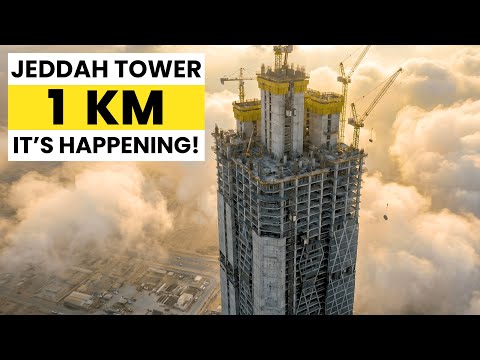
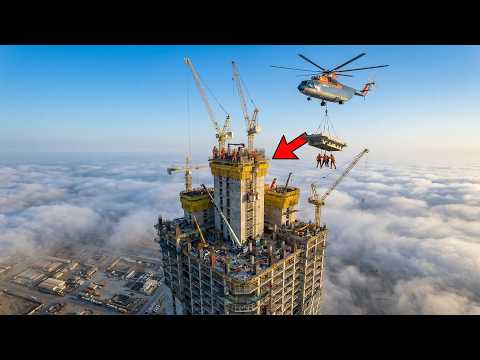
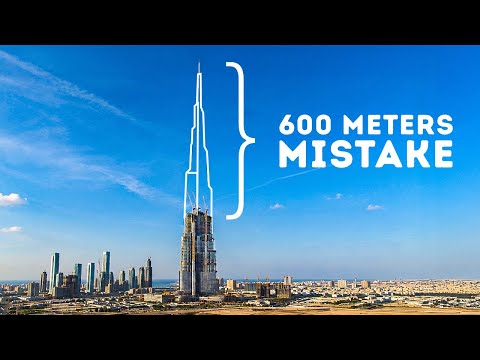
In April 2026, construction crews topped out the 100th floor of Jeddah Tower on Saudi Arabia's Red Sea coast, a milestone in the race to complete what will be the world's first building to reach one kilometer in height, surpassing Dubai's Burj Khalifa. Designed by Adrian Smith, who also designed the Burj Khalifa, the planned 157-floor tower is being developed by Prince Al-Waleed bin Talal's Kingdom Holding Company. The project sat frozen for roughly seven years after 2018, when its original contractor Saudi Binladin Group lost its chairman and Prince Al-Waleed himself was detained during a Saudi anti-corruption purge; construction resumed only in January 2025, jumping from 63 to 100 floors within about 16 months. It now carries a price tag of roughly $26 billion with completion targeted for 2028, and will include a Four Seasons hotel, luxury apartments, offices, 56 elevators moving at 12 meters per second, and a 30-meter cantilevered observation balcony, ultimately housing an estimated 100,000 people. It's a flashpoint for debate because it embodies both a genuine structural engineering feat and the wider controversy swirling around Saudi Arabia's Vision 2030 giga-projects, which Human Rights Watch's December 2024 report and other investigations have linked to systemic migrant-worker abuses and debt-fueled spending.
Poll as Guest Infographics
Similar to hewsay's "Jeddah Tower's Comeback: Is Saudi Arabia's Kilometer-High Skyscraper an Engineering Triumph or a $26 Billion Vanity Project?"
Title: Will the Jeddah Tower ever be built? - Quora Skyscraper in Saudi Arabia Jeddah Tower برج جدة Jeddah Tower as of February 5, 2026 Interactive map of the Jeddah Tower area General information Status Under construction Type Mixed-use Architectural style Neo-futurism Locati...
Why is construction on the Kingdom Tower in Jeddah, Saudi Arabia currently on hold? Under-construction skyscraper in Jeddah, Saudi Arabia Jeddah Tower برج جدة Interactive map of Jeddah Tower General information Status Under construction Type Mixed-use Architectural style Neo-f...
Ice Bucket Challenge, Harlem Shake, or Damn Daniel -- which viral trend actually deserves to be remembered?
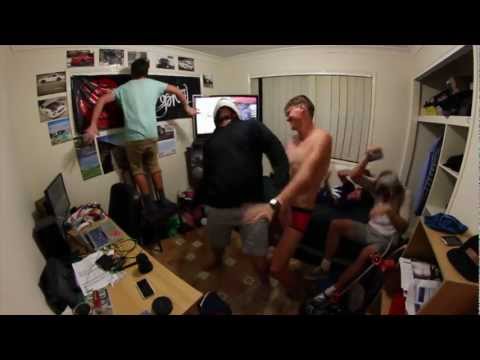
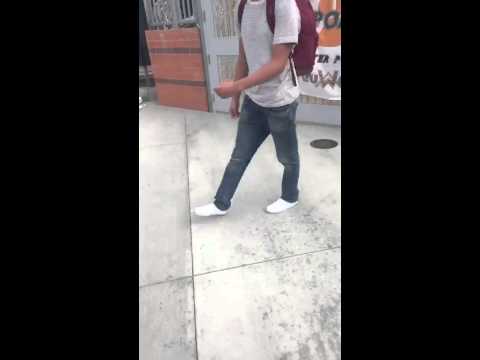
Internet trends usually burn out fast, but a handful crossed over into genuine cultural moments. The Ice Bucket Challenge raised over $115 million for ALS research worldwide and got everyone from Bill Gates to world leaders dumping ice water on themselves for charity. The Harlem Shake spawned millions of copycat videos in a matter of weeks, turning a 30-second clip format into a global phenomenon. And "Damn Daniel" turned two random teenagers and a pair of white Vans into a genuine pop-culture reference almost overnight. Which of these do you think actually earned its place in internet history, versus just being a flash in the pan?

Poll as Guest Infographics
Similar to hewsay's "Ice Bucket Challenge, Harlem Shake, or Damn Daniel -- which viral trend actually deserves to be remembered?"
I make drugs · Author has 7.1K answers and 39.8M answer views When the Ice Bucket Challenge happened during the summer of 2014, it sparked new conversations betweewn the The ALS Association (organization) and the US Food and Drug Administration. How did the ice bucket challeng...
What is the ALS ice bucket challenge? The ALS Ice Bucket Challenge is a social media campaign that went viral in the summer of 2014 to raise awareness and funds for amyotrophic lateral sclerosis (ALS), a neurodegenerative disease. The challenge gained immense popularity, with ...