Treasury Sanctions Iranian Crypto Exchanges Tied to IRGC Even as Trump's Iran Deal Eases Oil Sanctions: What's the Right Approach?
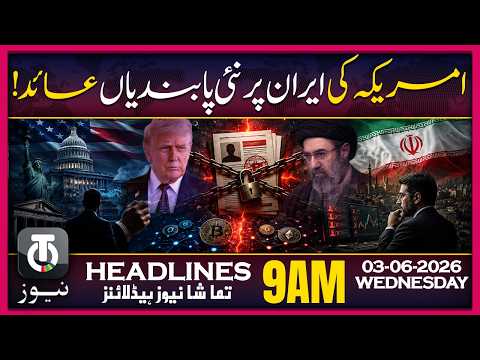
On August 7, 2026, the U.S. Treasury's Office of Foreign Assets Control (OFAC) sanctioned Iranian crypto exchanges Shelbit and Aban Tether, along with several individuals, for allegedly helping the Islamic Revolutionary Guard Corps (IRGC) and its Quds Force launder money and evade sanctions using digital assets. This comes just weeks after the Trump administration's 14-point Iran deal, struck in June 2026, began easing oil-sanctions and unlocking billions in frozen Iranian assets in exchange for nuclear and missile concessions. Critics say the crypto crackdown proves Iran can't be trusted even as sanctions relief flows, while supporters argue targeted, evidence-based enforcement against bad actors is exactly how conditional relief is supposed to work. Does this dual-track approach make sense, or is it sending mixed signals?
 🥈 A third perspective holds that the outcome depends less on whether sanctions are eased or enforced than on whether relief is tightly conditioned and independently verified, with automatic "snapback" sanctions if Iran violates its inspection or nuclear commitments. Advocates of this middle path see Treasury's parallel approach, easing broad oil sanctions while still targeting specific IRGC financial networks, as reasonable, provided Congress and international monitors retain real enforcement mechanisms to hold Iran accountable. (50%)🌍 🇨🇳 China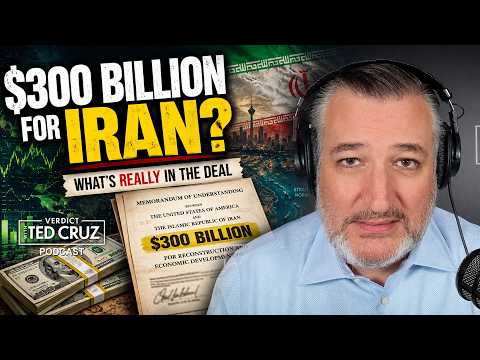
Poll as Guest Infographics
Similar to hewsay's "Treasury Sanctions Iranian Crypto Exchanges Tied to IRGC Even as Trump's Iran Deal Eases Oil Sanctions: What's the Right Approach?"
The US is targeting 9 vessels in Iran shadow fleet with sanctions. How does Iran bypass US sanctions? More than any other country, China has been helping Iran bypass the US sanctions. More than any other country, China has been helping Iran bypass the US sanctions. Do you thin...
Title: How does lifting the Iran oil sanctions not undermine the “nuclear threat“ impetus behind the war? : r/Askpolitics # How does lifting the Iran oil sanctions not undermine the “nuclear threat“ impetus behind the war? Skip to main contentHow does lifting the Iran oil sanc...
Have you tried playing padel, the fast-growing racket sport?
Padel is a racket sport similar to tennis, squash and pickleball. It's played on a small, walled-in court with stringless rackets and is considered one of the fastest-growing sports in the world?464932268199754†L188-L194?. The sport is especially popular in countries like the Netherlands, Norway, Belgium, UAE and Sweden?464932268199754†L184-L185?, and TikTok videos about padel rackets have around 20 million views?464932268199754†L192-L195?. Have you given padel a try?
Poll as Guest Infographics
Similar to hewsay's "Have you tried playing padel, the fast-growing racket sport?"
It's a super fast and extremely fun sport. Padel feels faster-paced and a bit more intense, both sports grow the racquet community, Both are
A padel court is smaller than a tennis court and surrounded by glass walls. The game feels social because rallies last longer and teamwork