πŸ”₯ Featured Questions
Satya Nadella's $96.5M Pay Raise After 15,000+ Microsoft Layoffs: AI Success Story or Broken Trust With Workers?

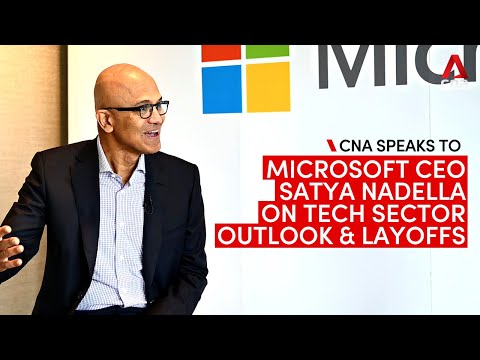
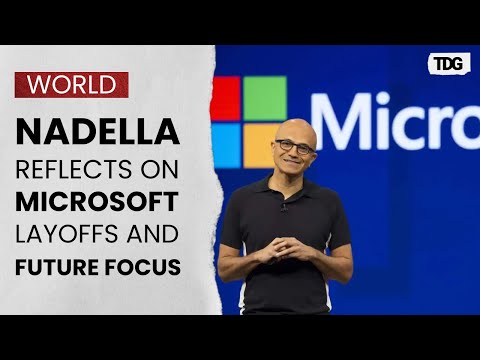
In a July 2025 internal memo, Microsoft CEO Satya Nadella told employees that the year's layoffs, which ultimately cut more than 15,000 jobs across gaming, security, and management, were "weighing heavily on me," calling the contradiction between record profits and mass cuts the "enigma of success." Months later, proxy filings showed Nadella's fiscal 2025 compensation climbed 22% to a record $96.5 million ($2.5M salary, roughly $9.5M cash bonus, about $84M in stock awards), tied to metrics including Azure and cloud revenue growth as Microsoft's cloud business hit roughly $169 billion (up 23%) and Azure topped $75 billion (up 34%). Former Microsoft HR vice president Chris Williams called it an "accountability issue," saying the optics of a massive CEO pay raise while thousands of employees lose their jobs undermines trust, while Microsoft noted that 10,000 laid-off employees cost roughly $1 billion annually, far more than trimming Nadella's pay could offset. As of today, financial outlets are still revisiting the pay-versus-layoffs math even as Nadella pushes an AI-driven "smarter, leaner" workforce vision, with Microsoft's CEO-to-median-worker pay ratio now near 480-to-1.

A 22% raise to $96.5 million in the same year Microsoft cut more than 15,000 jobs sends a corrosive message about whose sacrifice funds whose reward. Critics like former HR VP Chris Williams argue the optics alone, a nearly 480-to-1 CEO-to-worker pay ratio, expose a governance system that rewards leadership even as rank-and-file employees absorb the cost of the AI transition.
Nadella's pay is performance-based and tied directly to the metrics that matter: total shareholder return, and the Azure/cloud growth that powered Microsoft's AI transformation (34% Azure growth, ~$169B cloud revenue). Layoffs, while painful, are a rational cost of that AI pivot, and rewarding the executive who delivered those results is standard governance, not a scandal.
Both things can be true at once: Nadella's memo language about layoffs "weighing heavily" on him may be sincere, and his pay may be contractually earned, yet the gap between that heartfelt memo and a record payday months later points to a leadership communication problem more than a moral one. The real debate may be whether Microsoft's AI-era compensation structure itself needs reform.

Poll as Guest Infographics
From around the web

Similar to hewsay's "Satya Nadella's $96.5M Pay Raise After 15,000+ Microsoft Layoffs: AI Success Story or Broken Trust With Workers?"

Quoted & linked with attribution — not a hewsay user post.
What is the difference between Bill Gates' Microsoft and Satya Nadella's Microsoft? How has Microsoft changed under Satya Nadella? All this economic surge possible to Microsoft not only because Satya Nadella took over as CEO but also the foundation laid by Bill Gates and Steve...
quora.com · Quora
View original
What was wrong with Microsoft before Satya Nadella joined the company? How has Microsoft changed under Satya Nadella? All this economic surge possible to Microsoft not only because Satya Nadella took over as CEO but also the foundation laid by Bill Gates and Steve Ballmer. How...
quora.com · Quora
View original
Gukesh vs. Sindarov: The Youngest World Chess Championship Match Ever β€” Changing of the Guard or a Hollow Crown Without Magnus?

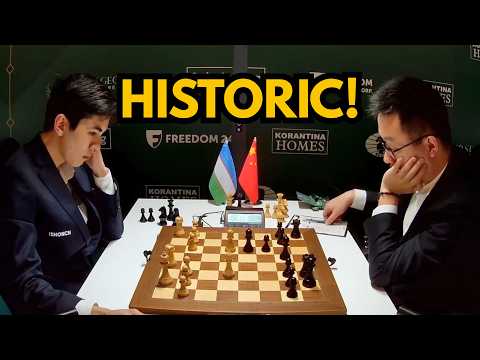
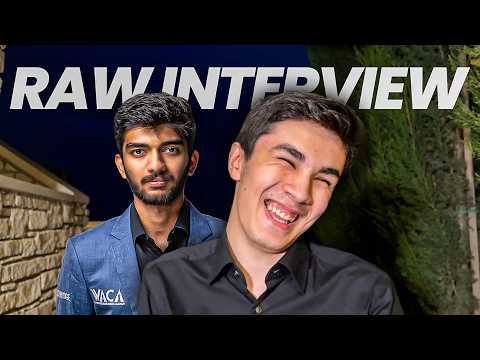
On April 16, 2026, 20-year-old Javokhir Sindarov of Uzbekistan clinched the FIDE Candidates Tournament in Pegeia, Cyprus with a round to spare, finishing on a record-breaking 10/14, the highest score in the modern double round-robin Candidates format, surpassing Ian Nepomniachtchi's 9.5/14 from 2022. Sindarov earned his Candidates berth by winning the 2025 FIDE World Cup as the 16th seed, becoming the youngest-ever World Cup champion after a stunning underdog run. He will now challenge reigning champion Gukesh Dommaraju of India, also 20, for the World Chess Championship in Geneva from roughly November 23 to December 17, 2026, a matchup already being billed as the youngest World Championship match in history. Notably, previous champion Ding Liren received no automatic qualifying spot this cycle, and Magnus Carlsen, still ranked world No. 1 by FIDE rating despite stepping away from classical world championship chess years ago, is absent entirely, reigniting arguments about whether the World Champion title still means the literal best player alive. Adding fuel to the storyline, Sindarov publicly stated we are not friends about Gukesh, describing a strictly professional relationship.
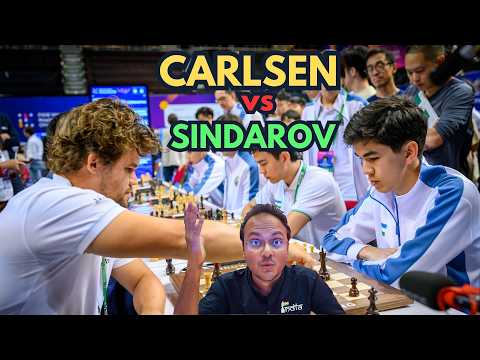
πŸ† Leading: Let's be honest about what's happening here: the man FIDE still ranks as the best chess player on Earth, Magnus Carlsen, will have no part in this World Championship, which makes the title feel more like a contest for world No. 2 than a true crown. Carlsen walked away from classical title defense years ago calling it too boring, yet his rating and results since have kept him atop the leaderboard, leaving Gukesh defending a title against a field that, by rating, doesn't include the actual strongest player alive. Sindarov himself only recently cracked the 2700s before his surge, and Gukesh has spent stretches of his reign outside the world's top 15, hardly the commanding dominance fans associate with a World Champion. A championship match should settle who is unambiguously the best; instead this one settles who is best among those willing to play FIDE's format, which is a meaningfully smaller claim. Until Carlsen either returns or is decisively beaten, this title will keep carrying an asterisk in the minds of serious fans. (71%)πŸ₯ˆ Sindarov's 10/14 Candidates score isn't just a win, it's the best performance in the history of the modern Candidates format, better than Nepomniachtchi's, better than anyone's since the double round-robin era began. Combine that with becoming the youngest-ever World Cup champion just months earlier as a 16th seed beating far higher-rated players, and you have unmistakable proof of a generational talent, not a lucky bracket run. Pair him with Gukesh, already the youngest undisputed World Champion in history, and you get the youngest World Championship match ever contested, two players born in 2005 and 2006 defining what chess looks like for the next twenty years. This is exactly the kind of changing-of-the-guard moment classical chess needs to stay relevant to new fans who never watched Kasparov or even peak Carlsen. Dismissing it because Magnus isn't playing misses the point entirely, legacies are built by seizing the stage that's actually available, and Sindarov and Gukesh are doing precisely that. (29%)🌍 πŸ‡¨πŸ‡³ China
Let's be honest about what's happening here: the man FIDE still ranks as the best chess player on Earth, Magnus Carlsen, will have no part in this World Championship, which makes the title feel more like a contest for world No. 2 than a true crown. Carlsen walked away from classical title defense years ago calling it too boring, yet his rating and results since have kept him atop the leaderboard, leaving Gukesh defending a title against a field that, by rating, doesn't include the actual strongest player alive. Sindarov himself only recently cracked the 2700s before his surge, and Gukesh has spent stretches of his reign outside the world's top 15, hardly the commanding dominance fans associate with a World Champion. A championship match should settle who is unambiguously the best; instead this one settles who is best among those willing to play FIDE's format, which is a meaningfully smaller claim. Until Carlsen either returns or is decisively beaten, this title will keep carrying an asterisk in the minds of serious fans.
Sindarov's 10/14 Candidates score isn't just a win, it's the best performance in the history of the modern Candidates format, better than Nepomniachtchi's, better than anyone's since the double round-robin era began. Combine that with becoming the youngest-ever World Cup champion just months earlier as a 16th seed beating far higher-rated players, and you have unmistakable proof of a generational talent, not a lucky bracket run. Pair him with Gukesh, already the youngest undisputed World Champion in history, and you get the youngest World Championship match ever contested, two players born in 2005 and 2006 defining what chess looks like for the next twenty years. This is exactly the kind of changing-of-the-guard moment classical chess needs to stay relevant to new fans who never watched Kasparov or even peak Carlsen. Dismissing it because Magnus isn't playing misses the point entirely, legacies are built by seizing the stage that's actually available, and Sindarov and Gukesh are doing precisely that.

Poll as Guest Infographics
From around the web

Similar to hewsay's "Gukesh vs. Sindarov: The Youngest World Chess Championship Match Ever β€” Changing of the Guard or a Hollow Crown Without Magnus?"

Quoted & linked with attribution — not a hewsay user post.
Title: chess: search results - flair:'News' # chess. How to get better at chess. Low-Quality submissions are not allowed. Off-Topic submissions are not allowed. Do not politicize r/chess. Do not use /r/chess primarily to promote your own content. Use the message the moderators...
old.reddit.com · Reddit
View original
What's your take on Gukesh Dommaraju becoming the youngest Chess world champion? What's your take on Gukesh Dommaraju becoming the youngest Chess world champion? How likely is it that Gukesh Dommaraju will retain his title as the youngest world chess champion in the next compe...
quora.com · Quora
View original

Never miss a new question

One email per question, straight to your inbox. Unsubscribe anytime.