Scientists just "de-extincted" the dire wolf. Which species should be revived next?
In April 2025, Colossal Biosciences announced the birth of three gray wolf pups genetically edited (20 edits across 14 genes) using ancient DNA from a 13,000-year-old tooth and a 72,000-year-old skull to resemble dire wolves, which went extinct about 12,500 years ago. Critics argue this is really just a modified gray wolf, not a true resurrection, since dire wolves are genetically quite distant relatives. Colossal is also chasing the woolly mammoth, the dodo, and the thylacine (Tasmanian tiger), backed by billions in funding. If you could pick one extinct species to bring back with this technology, which one would you choose, and why?

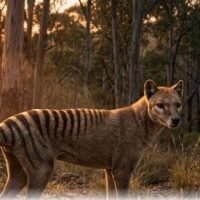 🏆 Leading: Thylacine (Tasmanian Tiger)
The thylacine, or Tasmanian tiger, was the largest carnivorous marsupial of modern times until the last known individual died in Hobart Zoo in 1936, decades after bounty hunting for allegedly killing livestock drove the species to collapse. Colossal Biosciences and University of Melbourne researchers are using the fat-tailed dunnart, a mouse-sized marsupial, as a genetic template, guided by an unusually well-preserved thylacine genome extracted from a juvenile specimen kept in ethanol. Because marsupials give birth to tiny, underdeveloped young that finish growing in a pouch, some scientists argue thylacine revival is technically more feasible than mammoth or dodo projects, though still years away. (55%)
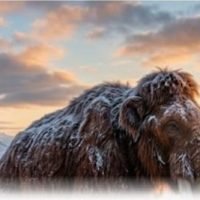 🥈 Woolly Mammoth
Colossal Biosciences is genetically engineering Asian elephants — their closest living relative — to express mammoth traits like dense fur, thick fat layers, and small ears suited to Arctic cold, using ancient DNA recovered from frozen specimens. The company aims to birth the first calves by 2028 and eventually rewild herds across Siberian tundra, arguing mammoths once trampled trees and compacted snow in ways that kept permafrost frozen, slowing carbon release. Critics counter that the result is really a cold-adapted elephant hybrid, not a true mammoth, and question whether Arctic ecosystems and elephant surrogate mothers are ready for the experiment. (18%)
 🥉 None of these — leave extinction alone
Not every scientist — or voter — is convinced de-extinction is worth pursuing. Skeptics point out that roughly one million species are currently at risk of extinction according to UN estimates, and argue the tens of millions of dollars Colossal has raised would save far more biodiversity if spent on habitat protection and anti-poaching efforts instead. There's also a scientific objection: these projects don't produce genetically identical originals, just edited hybrids of living relatives, so calling it 'de-extinction' may overstate what's actually happening. Ecosystems have also changed dramatically since these species vanished, raising questions about whether revived animals could even survive, let alone thrive, in the modern world. (18%)🌍 🇨🇳 China
Poll as Guest Infographics
Similar to hewsay's "Scientists just "de-extincted" the dire wolf. Which species should be revived next?"
Scientists have genetically engineered wolves with white hair like the extinct dire wolf. What other animals do you expect scientists to bring back from extinction? It’s actually quite important we don’t go around telling people that dire wolves have been brought back from ext...
IUCN Canid Specialist Group statement on Colossal "Dire Wolves" : r/Paleontology. Skip to main contentIUCN Canid Specialist Group statement on Colossal "Dire Wolves" : r/Paleontology. IUCN Canid Specialist Group statement on Colossal "Dire Wolves". Colossal convinced thousands...
Is your 10-step skincare routine actually good for your skin — or good for your feed?
The global skincare market crossed $122 billion in 2025, and some of that growth is getting harder to defend on health grounds alone. In 2024 the "Sephora kids" story went viral for a real reason — nine- and ten-year-olds were photographed stocking up on $70 retinol serums and vitamin-C acids meant for adult skin, and dermatologists (backed by an actual peer-reviewed harms study) started publicly warning about real irritation and barrier damage in young skin. Meanwhile a backlash trend called "skinimalism" — three products, done — has been trending for over a year, with dermatologists calling it the smarter approach all along.
The debate isn't really about whether skincare "works" — most of these ingredients are legitimately backed by dermatology research. It's about what's actually driving the routine: are people layering serums because a dermatologist would recommend it for their specific skin, or because "get ready with me" videos and $40 serum unboxings have turned a bathroom counter into a status display? Is the modern skincare aisle selling skin health, or selling the aesthetic of self-care?
Poll as Guest Infographics
Similar to hewsay's "Is your 10-step skincare routine actually good for your skin — or good for your feed?"
Contrary to the hottest skincare trends at the moment, you don’t need a 10 step skin care routine to have good skin (no matter how aesthetically pleasing it may look on a shelf ). Contrary to the hottest skincare trends at the moment, you don’t need a 10 step skin care routine...
What is a good one-step skin care routine? A one-step skin care routine, I think, is not a thing. A one-step skin care routine, I think, is not a thing. If you are wanting to keep your skin care routine down to 1–2 steps, then the next product I think is a must would be moistu...