Dangote Refinery Slashes Petrol to N1,165, Diesel to N1,570/Litre — Genuine Competition or Predatory Pricing to Crush Rivals?
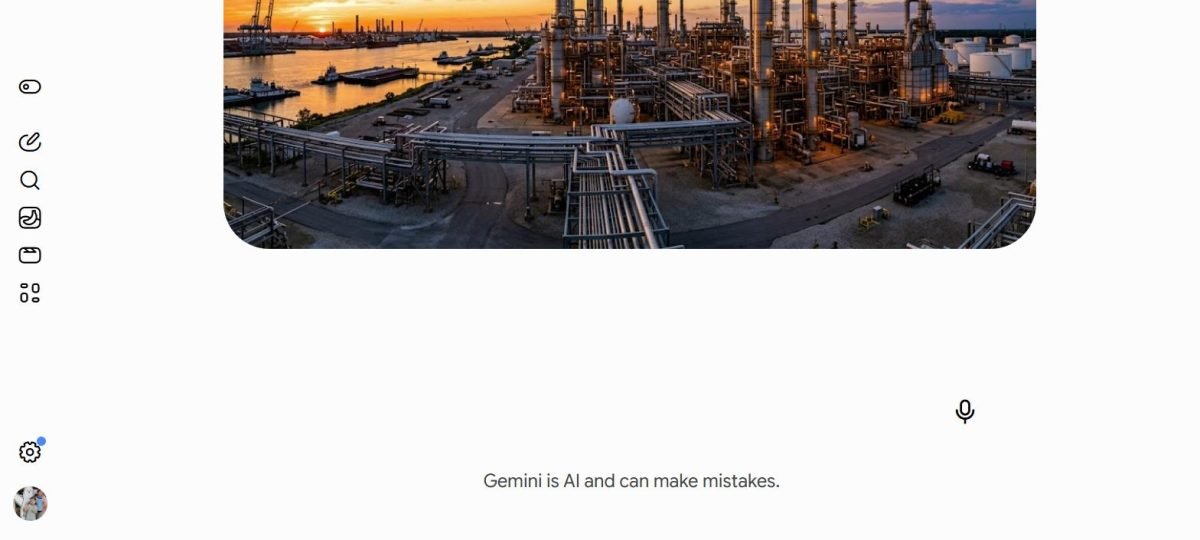
On August 6, 2026, Dangote Refinery cut its ex-depot petrol price by N50 to N1,165 per litre and diesel by N80 to N1,570 per litre, the latest in a string of reductions that had already pushed Abuja pump prices from roughly N1,260 to N1,210 per litre in July. NNPC and offtakers such as MRS and AP followed with their own cuts, though many independent filling stations initially held retail prices at N1,240-N1,260, prompting commuters, Bolt drivers and tricycle operators to accuse them of profiteering and demand NMDPRA/FCCPC intervention. As Dangote's 650,000-barrel-per-day refinery has ramped up domestic supply, Nigeria's reliance on imported refined petroleum has fallen, but rival marketers and legal analysts have simultaneously raised predatory-pricing and market-domination concerns, including a published legal analysis examining whether Dangote's pricing pattern meets Nigeria's legal test for predatory conduct. IPMAN and other marketer associations have alternated between welcoming Dangote's cheaper ex-depot rates and warning that a single dominant refiner setting the market price could eventually squeeze out competitors.
 🏆 Leading: This is predatory pricing aimed at crushing rivals and building a monopoly. Legal analysts have examined whether Dangote's pricing pattern meets elements of Nigeria's predatory-pricing test, and critics warn that once independent marketers and NNPC's refineries are priced out, Dangote could end up dictating fuel prices with little competitive check. (45%)
 🥈 This is genuine market competition benefiting ordinary Nigerians. Dangote's refinery has driven real ex-depot cuts (petrol to N1,165, diesel to N1,570 per litre as of August 6, 2026), forced NNPC and marketers like MRS and AP to follow suit, and is steadily reducing Nigeria's costly dependence on imported fuel. (27%)
 🥉 The bigger problem is marketers, not Dangote, undermining the relief. Even after Dangote's ex-depot cuts, many filling stations kept pump prices at N1,240-N1,260 per litre instead of passing on the savings, and consumers are now demanding that NMDPRA and FCCPC force marketers to reflect the lower wholesale costs. (27%)🌍 🇨🇳 China
Poll as Guest Infographics
Similar to hewsay's "Dangote Refinery Slashes Petrol to N1,165, Diesel to N1,570/Litre — Genuine Competition or Predatory Pricing to Crush Rivals?"
What might happen to petrol and diesel supplies in the UK after the collapse of Prax Lindsey oil refinery? What might happen to petrol and diesel supplies in the UK after the collapse of Prax Lindsey oil refinery? Demand for diesel and petrol will not diminish because they are...
Title: How much does 1 litre of petrol weigh? - Quora How much does 1 litre of petrol weigh? Originally Answered: What is the weight of 1 litre petrol? Density range of petrol is 0.710 to 0.775 gram/ litre at 15 deg C. If we take the density of the petrol is 0.710. 1 litre of ...
Artemis II's Historic Lunar Flyby: Was NASA's $90 Billion Return to the Moon a Giant Leap or a Costly Detour?
On April 1, 2026, NASA launched Artemis II from Kennedy Space Center aboard the Space Launch System rocket, sending astronauts Reid Wiseman, Victor Glover, Christina Koch, and Canadian Jeremy Hansen on a roughly 10-day free-return trajectory around the Moon, the first crewed lunar mission in over 50 years since Apollo 17 in 1972. The Orion capsule carried the crew farther from Earth than any humans since Apollo, looping around the far side of the Moon without landing, before splashing down safely off the California coast on April 11, 2026. The mission notched several firsts: Christina Koch became the first woman to fly beyond low Earth orbit, Victor Glover the first Black astronaut to do so, and Jeremy Hansen the first non-American to leave low Earth orbit. It followed years of delays and ballooning costs, with critics citing the broader Artemis program's roughly $90 billion price tag, even as polls found about 97% of Americans still supported the program. The flight is widely framed as the opening act of a new US-China lunar race, with NASA officials openly warning China could land its own astronauts on the Moon before the US completes its planned Artemis III landing later this decade.


Poll as Guest Infographics
Similar to hewsay's "Artemis II's Historic Lunar Flyby: Was NASA's $90 Billion Return to the Moon a Giant Leap or a Costly Detour?"
April 6, 2026 - The Artemis II crew has begun the historic flyby of the moon, marking the first time humans have seen the far side of the lunar surface. ... I believe it should have been “the entire far side of the lunar surface in one viewing” (or similar), due to Artemis II’...
April 1, 2026 - Humanity is headed back to the lunar surface for the first time in more than a half century — but first, a flyby. Four astronauts will orbit the moon during NASA's Artemis II mission , set to launch the Orion spacecraft from the agency's Kennedy Space Center in...